The signs that suggest a child would benefit from a psychological assessment, and what the process involves for the whole family.
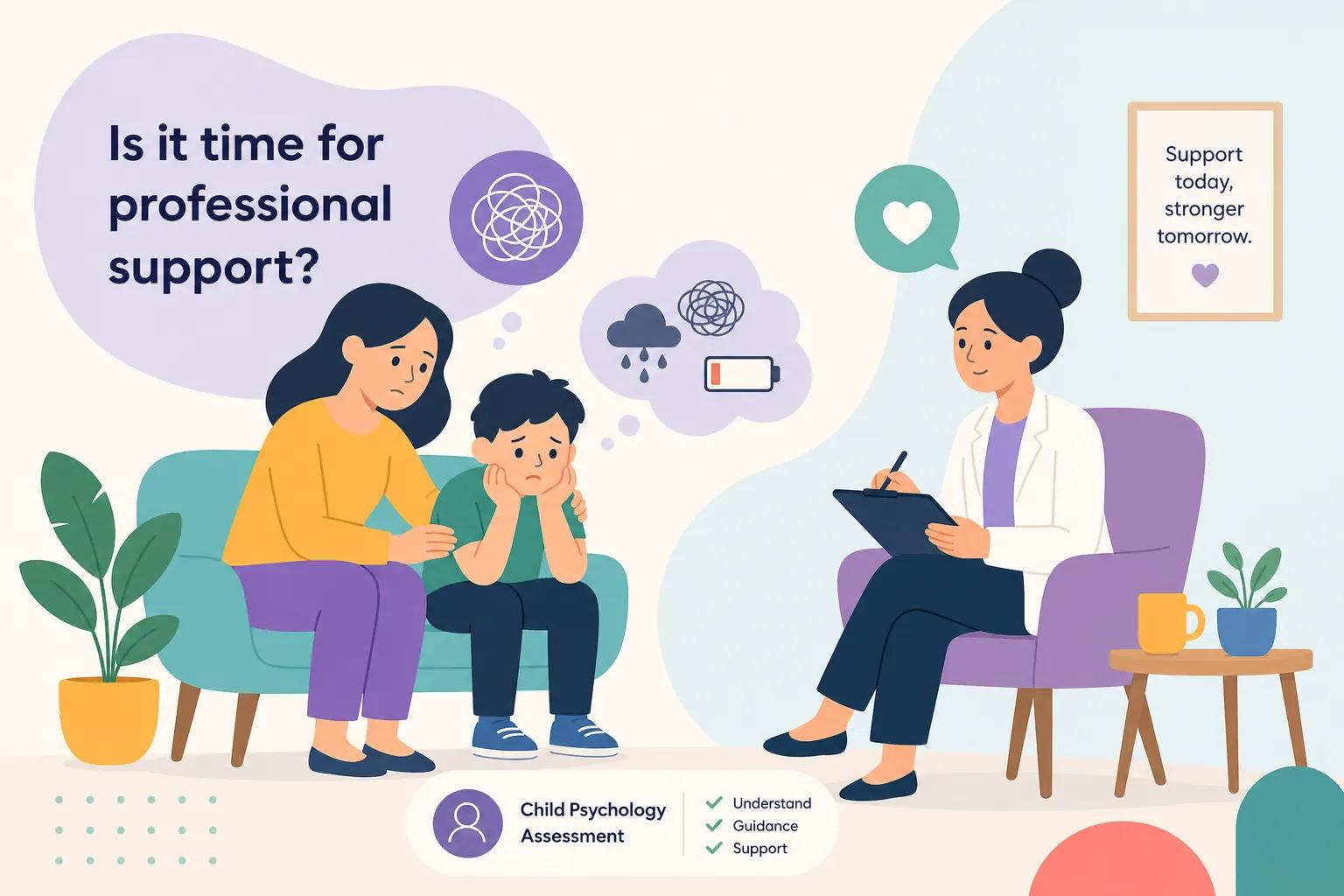
If you've been asking yourself when should I get my child assessed by a psychologist, you're probably not asking it for the first time. Most parents don't arrive at a decision to seek a psychological assessment overnight. They arrive after months of watching, wondering, and quietly worrying, maybe your child has been struggling at school for longer than a term, the meltdowns have become impossible to predict, the friendships have quietly disappeared, or your teenager has retreated somewhere you can't quite reach. You've told yourself it's probably a phase. But the phase isn't passing.
That uncertainty is one of the most common feelings families bring to Inkind Psychology Clinic. Every week, our clinical team works with children and young people across the UK, and the parents who contact us are rarely overreacting. They've usually been watching closely for a long time before they pick up the phone. This article will help you understand what signs genuinely warrant a professional assessment, what different assessments involve, how the NHS and private routes compare, and exactly what to expect from the process.
When should I get my child assessed by a psychologist: warning signs to know
The question isn't whether your concern is valid. The question is whether the pattern fits. Most children go through difficult patches, and most of those patches pass. An assessment becomes relevant when difficulties are persistent, pervasive, and impairing. That means present for more than four to six weeks, showing up in more than one setting (such as both home and school), and getting in the way of the child's learning, friendships, or wellbeing.
Signs in younger children and primary-school age
For school-age children, the signs most worth paying attention to include persistent school refusal, a noticeable drop in academic performance that isn't explained by a change in curriculum or teacher, and recurring physical complaints such as headaches or stomachaches with no medical cause. Equally telling are extreme emotional outbursts that are out of proportion for the situation, withdrawal from friendships or play that was previously enjoyed, and marked difficulty concentrating or staying still in structured settings. Any one of these, in isolation and briefly, may not be cause for concern. When several appear together and persist over weeks, that pattern is worth taking seriously.
Signs in teenagers
Adolescent presentations look different. The signs to watch for include a loss of interest in activities your teenager previously cared about, changes to sleep or appetite that extend beyond a week or two, increasing social withdrawal, and low mood that persists rather than lifting. Risky behaviour, substance use, and self-harm carry more urgency and warrant earlier action than the standard four-to-six-week threshold.
When should I get my child assessed by a psychologist, acting without delay
Some signs require immediate contact with a professional rather than a period of watchful waiting. If your child is self-harming, expressing thoughts about suicide or death, or has shown a sudden and dramatic change in functioning, contact your GP or call 111 today. These are not situations where waiting for an appointment in a few weeks is appropriate.
What types of child mental health assessment are available and what each covers
Parents often don't realise that "a psychological assessment" covers several different types of evaluation, each focused on a different question. Knowing which type fits your situation will help you find the right professional and ask the right questions when you contact a service.
ADHD assessments
An ADHD assessment looks at persistent inattention, hyperactivity, and impulsivity across multiple settings. The clinician gathers information from parent and teacher reports, takes a detailed developmental history, and conducts a clinical interview. According to NICE guidelines, ADHD cannot be diagnosed from rating scales alone; it is a clinical judgement drawn from multiple sources, with symptoms present in at least two settings and causing at least moderate impairment.
Autism assessments
Autism assessments have a broader, more developmental focus: social communication, play, language development, sensory experience, and repetitive or restricted behaviours. NICE recommends that autism be diagnosed by a multidisciplinary team using developmental history, direct observation, and input from school and caregivers. This is why autism assessments generally take longer and are more complex than ADHD assessments.
Learning difficulties and educational assessments
Assessments for dyslexia, dyscalculia, and other specific learning difficulties involve cognitive ability testing and academic achievement measures. These assessments are closely tied to school support planning and are often carried out by educational psychologists. The findings directly inform what adjustments and interventions a child needs in the classroom.
Assessments for anxiety, low mood, and emotional wellbeing
Not every assessment is about neurodevelopmental conditions. A clinical psychologist can assess emotional and mental health difficulties in children and recommend appropriate therapy. At Inkind Psychology Clinic, we offer this type of assessment for young people, providing a clear route for parents whose primary concern is their child's anxiety, low mood, or emotional wellbeing rather than a learning or developmental condition.
Who carries out child psychological assessments and what to check before booking
The UK has no shortage of services advertising psychological assessments for children. The quality varies significantly, and knowing what to check before booking can protect your family from a frustrating or expensive experience.
Clinical psychologists vs educational psychologists
Clinical psychologists assess emotional, behavioural, and developmental difficulties and can diagnose mental health conditions. Educational psychologists focus specifically on how difficulties affect learning and are commonly accessed through schools. Both are valid depending on the question being asked. If your concern is primarily about your child's mood, anxiety, or behaviour, a clinical psychologist is likely the right starting point. If the main concern is academic, an educational psychologist's input may be more directly relevant.
Qualifications and registrations to check
HCPC registration is the essential legal standard for practitioner psychologists in the UK. You can verify this directly at the HCPC's Check the Register service using the professional's name or registration number. BPS chartered status is an additional quality signal worth looking for. Beyond registration, check that the assessor has specific experience with children of your child's age and with the particular difficulty you're concerned about. A general registration is not a substitute for relevant specialist experience.
At Inkind, our psychologists are HCPC-registered and hold specialist backgrounds in assessing and working with children and young people. That combination of formal qualification and genuine clinical experience with young people is what allows us to carry out assessments that lead to meaningful, actionable outcomes for families.
NHS vs private psychological evaluation for children: how the two routes compare
This is the question most parents ask first, and the honest answer is that both routes have genuine merit. The decision usually comes down to time and the current impact on your child, so it's worth understanding both before you decide.
The NHS pathway
The standard NHS route runs from GP referral to CAMHS or a relevant specialist service, then to a waiting list, and eventually to assessment. This route is free and appropriate for many families. The significant practical constraint is time. NHS England data from late 2025 showed over 550,000 children and young people on NHS mental health waiting lists in England, with 53% waiting over a year and 30% waiting over two years. Scotland's figures show better performance, with 91.2% starting treatment within 18 weeks as of early 2026, but even that is a considerable wait when a child is struggling now.
Going private: what it involves and what it costs
Private assessments can typically be accessed within days to a few weeks. In 2026, private ADHD assessments for children cost roughly £800 to £1,500, with a market median around £1,250. Private autism assessments are more complex and typically range from £2,000 to £3,000 depending on the provider and the scope of the assessment. Some private health insurance policies cover psychological assessments for children. Inkind Psychology Clinic works with major UK insurance providers, which can make private access significantly more affordable for families with cover in place.
How to choose between the two routes
If the impact on your child's schooling or wellbeing is significant right now, waiting many months for an NHS assessment has a real cost. In those circumstances, a private assessment makes practical sense. If the situation is not immediately severe and the family cannot absorb the cost of private assessment, the NHS route remains a valid option worth pursuing alongside other support. The most useful first step, regardless of which route you're considering, is to contact a private clinic for an initial consultation. Understanding your options costs nothing and takes very little time.
What to expect during a child psychological assessment
Parents often delay because they don't know what will happen during an assessment. Demystifying the process is usually enough to help families take the first step.
Before the assessment
Most providers send questionnaires in advance covering your child's developmental history, behaviour across settings, and any relevant medical or educational background. Gathering school reports or teacher observations before your appointment is also helpful. The more context the assessor has before the session, the more focused and productive the appointment itself will be.
During the session
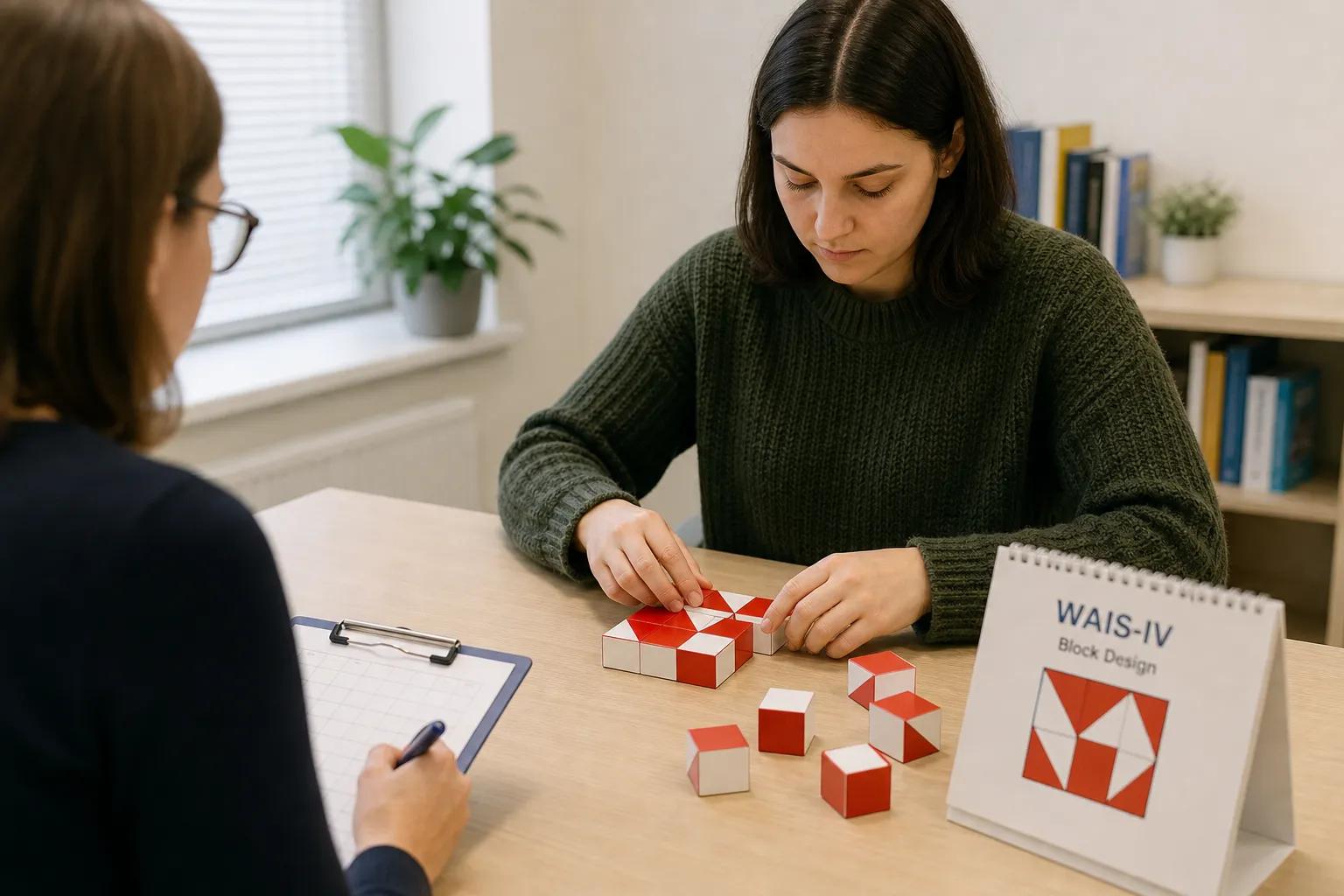
A typical assessment includes a clinical interview with the parent and dedicated time with the child. Depending on the type of assessment, that time may involve structured tasks, standardised tests, observation, or conversation. There is sometimes liaison with school as well. Experienced assessors know how to put children at ease. Your child will not be put under pressure, and the session is designed to understand strengths as much as difficulties.
The written report
After the assessment, you receive a written report containing background history, assessment findings, diagnostic conclusions where applicable, and recommendations. A good report is a practical tool. It should tell you clearly what your child needs and why, not just list scores on a page.
Using the assessment report: school support and next steps
The assessment is the beginning of the process, not the end. Knowing how to use the report is what turns findings into real support for your child.
School support and EHCP applications
A psychological assessment report can support a request for an Education, Health and Care Plan, reasonable adjustments, or targeted school interventions. The most useful reports link test findings directly to classroom impact and specify the provision the child needs. Share the report with the SENCO at your child's school as a first step. A report that clearly connects assessment findings to functional educational impact is far more persuasive to a local authority than one that lists scores without context.
When therapy should follow the assessment
Assessment and therapy are two separate things. The assessment clarifies what is happening; therapy addresses it. Depending on the findings, recommendations might include CBT for anxiety, parent-led behavioural support, ADHD coaching, or specialist therapeutic approaches. At Inkind, our clinical team can guide families on the right next steps following an assessment and offer therapy for young people where that is the recommended route forward.
Taking the first step
You don't need to be certain before you reach out. If you've been watching your child struggle for weeks or months, that concern alone is worth a conversation with a qualified professional. Waiting to see if things improve on their own is a reasonable instinct, but it has limits. When the pattern has persisted, when it's showing up in more than one area of your child's life, and when it's affecting their learning, friendships, or happiness, the most practical thing you can do is get some clarity.
Inkind Psychology Clinic offers assessments and therapy for children and young people across the UK, available both online and in person. Our team includes specialist psychologists with direct experience of the age groups and presentations most families contact us about. Reaching out for an initial consultation is a low-pressure first step, and one that many families tell us they wish they had taken sooner.
If you're still asking yourself when should I get my child assessed by a psychologist, the answer is rarely "not yet." Seeking an assessment is not an overreaction. It helps to know the signs and understand your options before you book, and always verify the credentials of whoever you choose. Your child's needs exist now, and so does the support available to address them.