Latest updates and insights
What a private ADHD assessment costs in the UK, what should be included for that price, and what happens after a diagnosis.
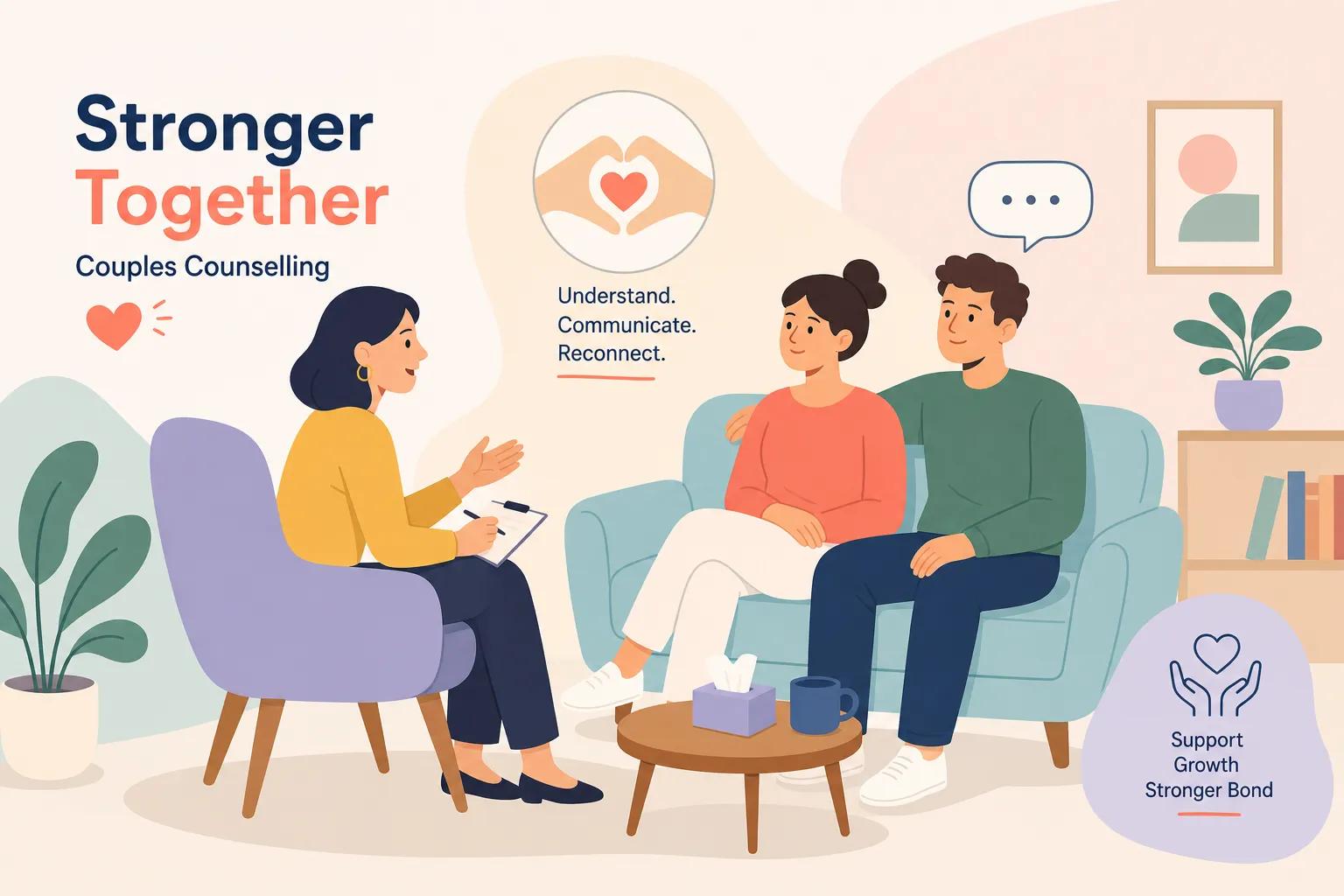
What actually happens in couples counselling in the UK, what the first sessions involve, and when it helps most.
How to tell an ordinary rough patch from something that needs attention, and the twelve signs worth acting on rather than waiting out.
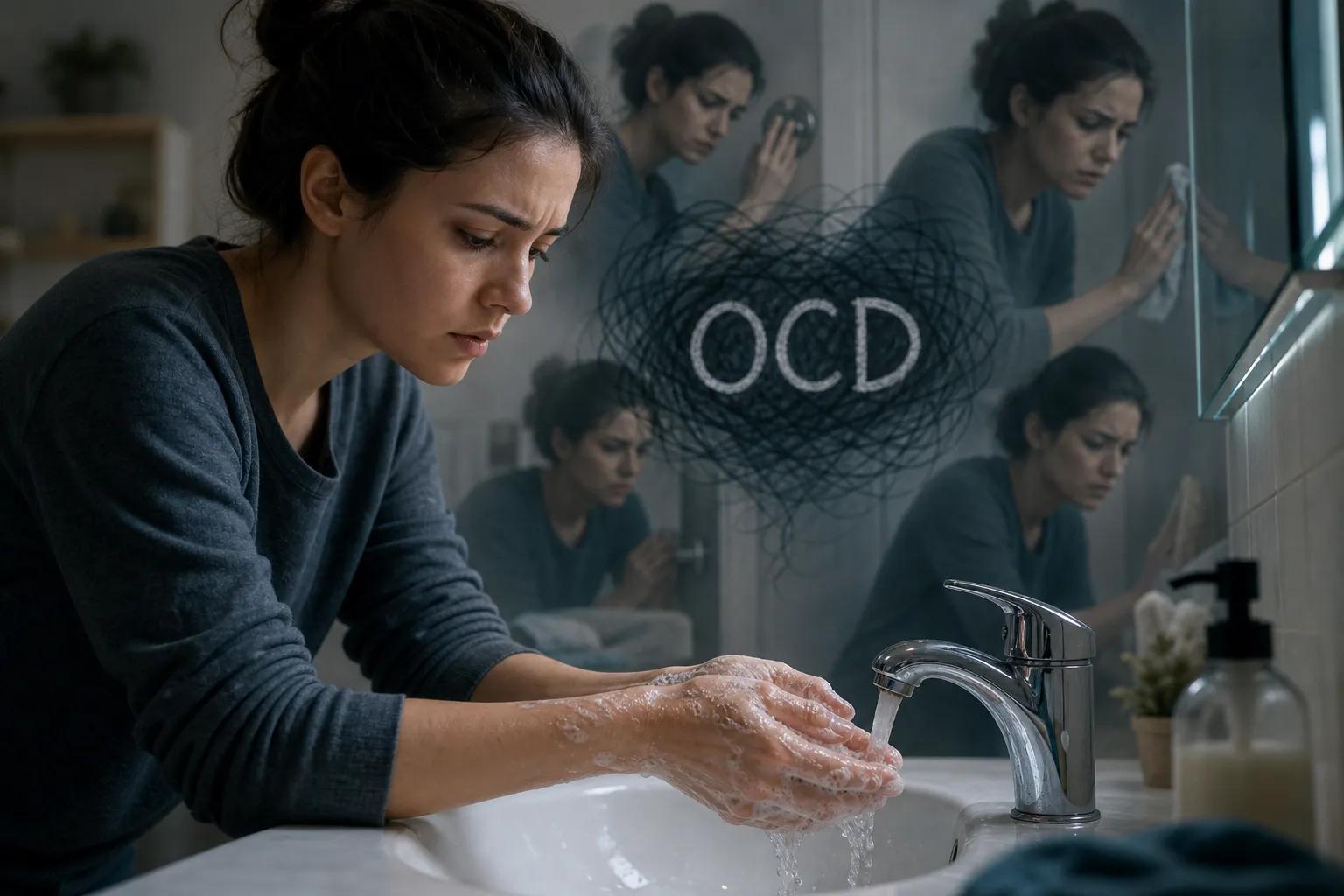
The routes to OCD treatment in the UK explained: NHS referral, Right to Choose and private care, with what each realistically involves.
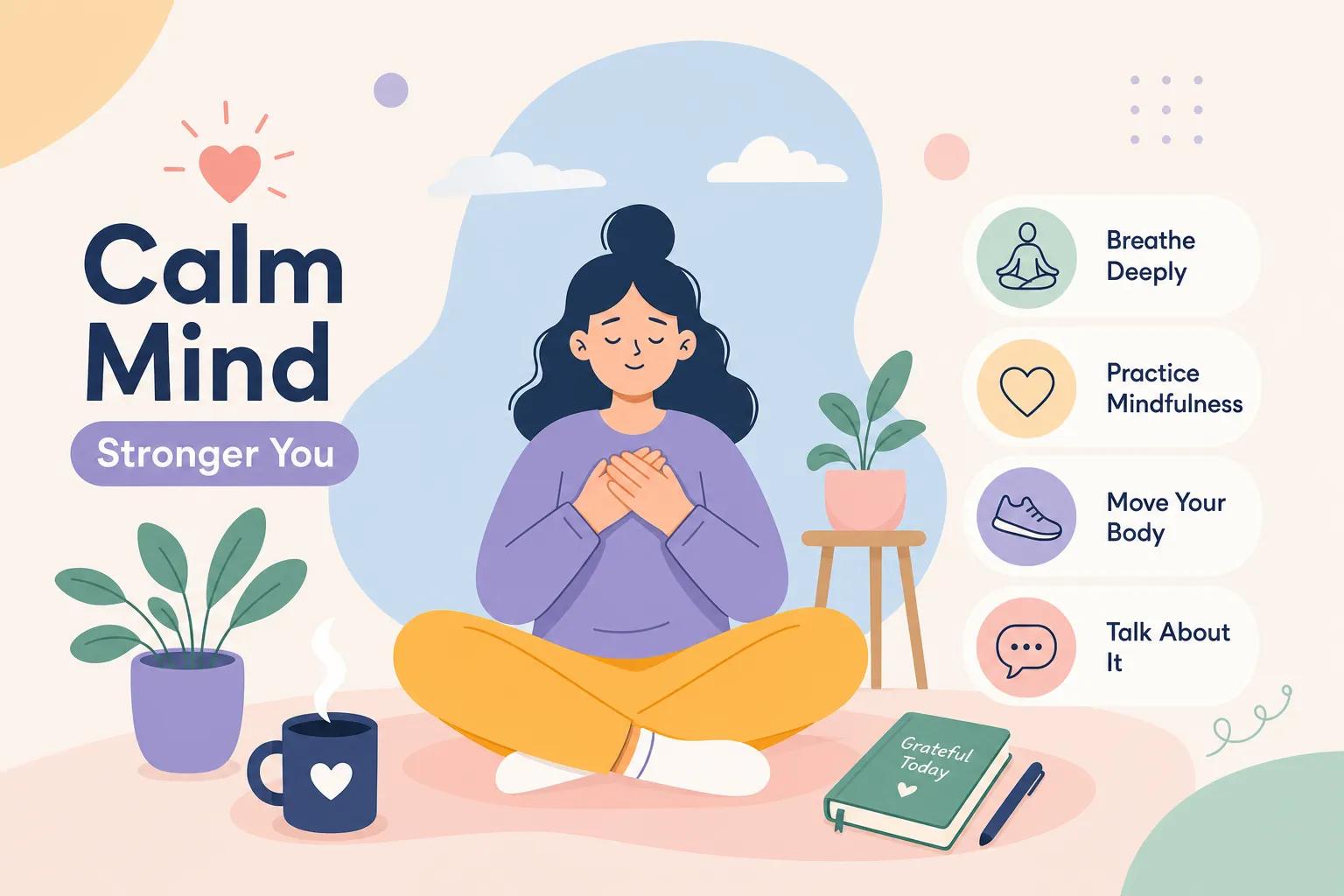
Evidence-backed ways to bring anxiety down: breathing and grounding for the moment, CBT skills for the thoughts, and daily habits that lower your baseline.
How to check whether your policy covers therapy, how to make a claim, and the common reasons claims are refused.
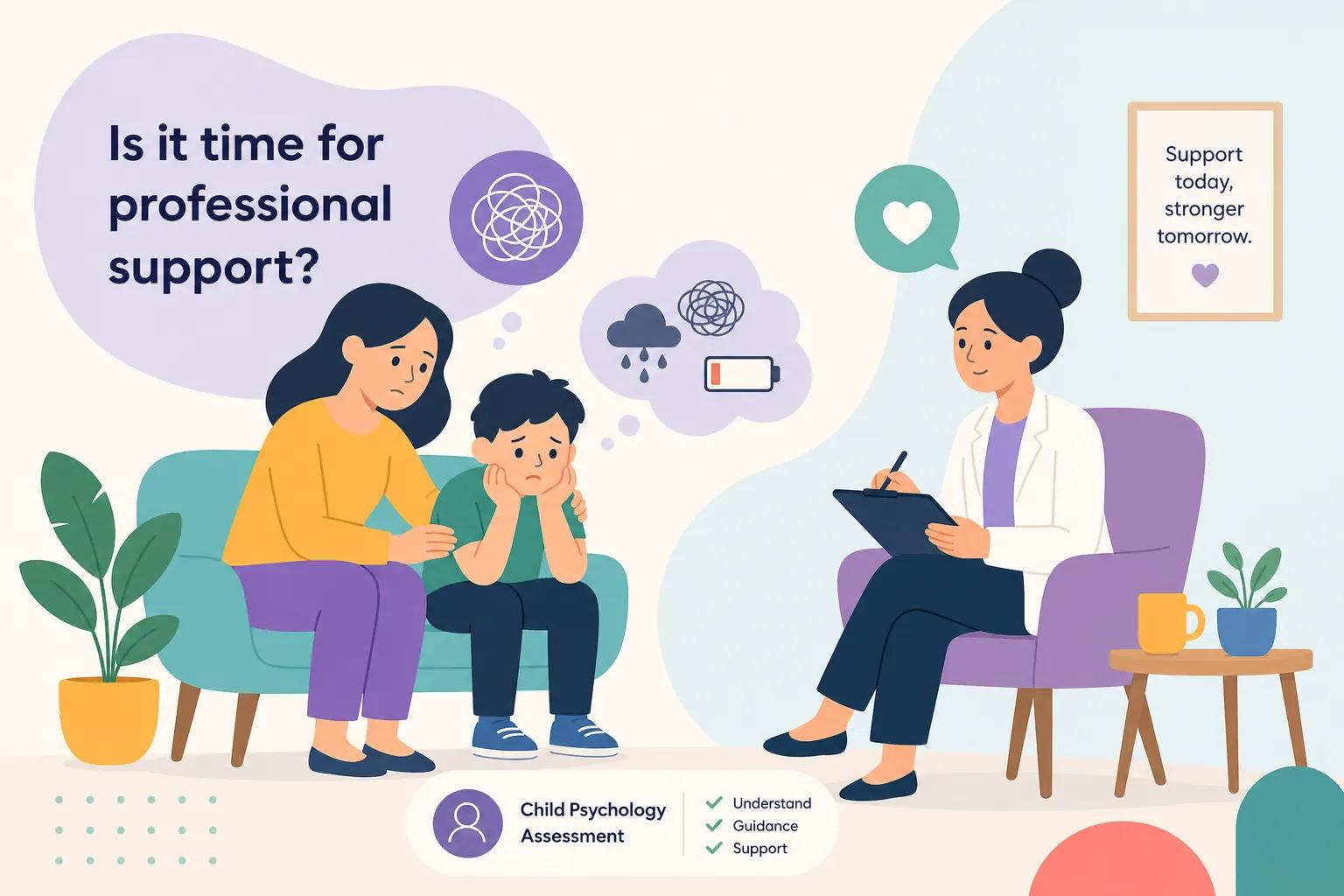
The signs that suggest a child would benefit from a psychological assessment, and what the process involves for the whole family.
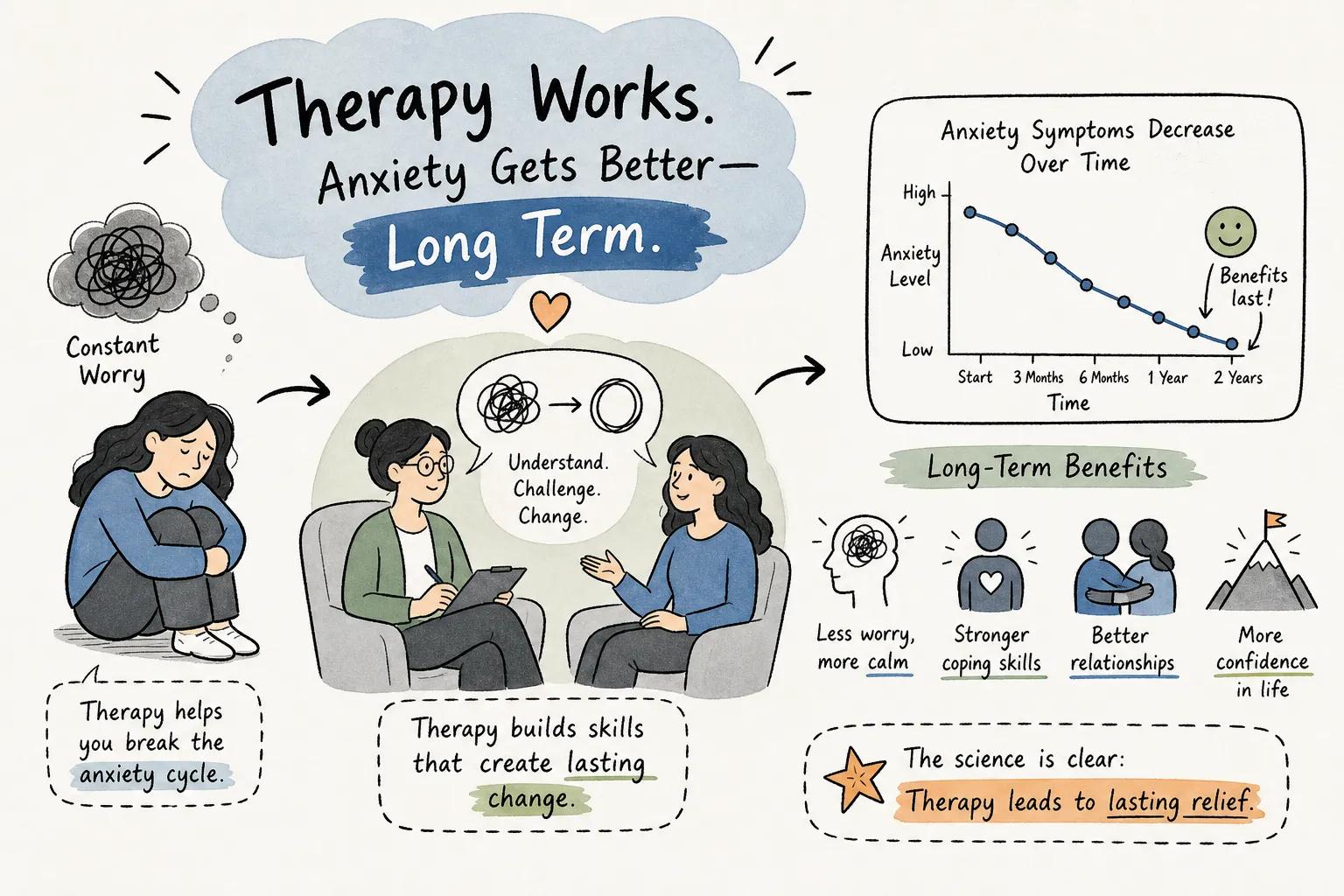
What the research shows about staying well after anxiety treatment ends, and what makes recovery hold rather than fade.
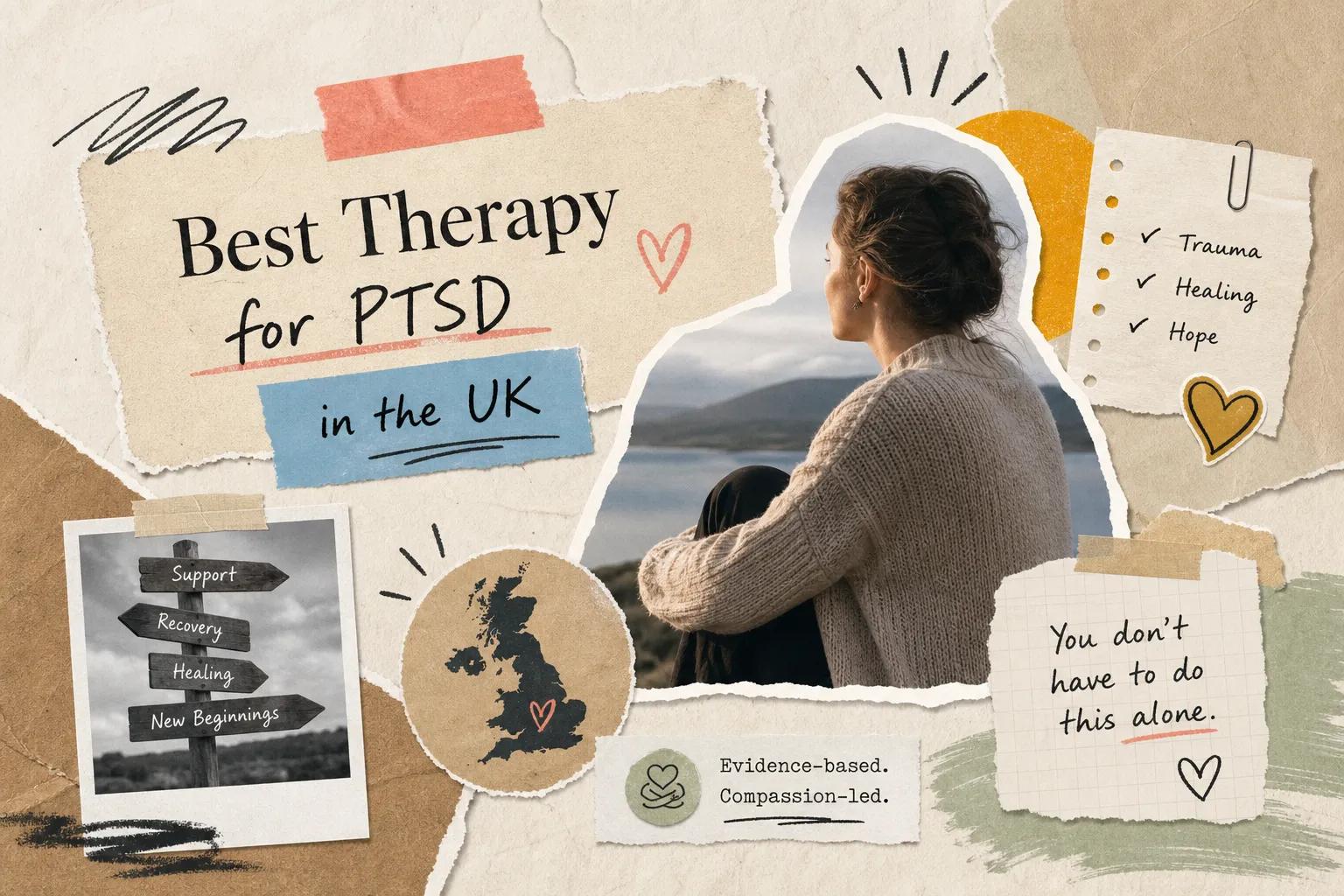
Which trauma therapies have the strongest evidence for PTSD in the UK, and how to choose between them.
An honest look at what private therapy in the UK costs, what you get for it, and when the NHS route is the better choice.
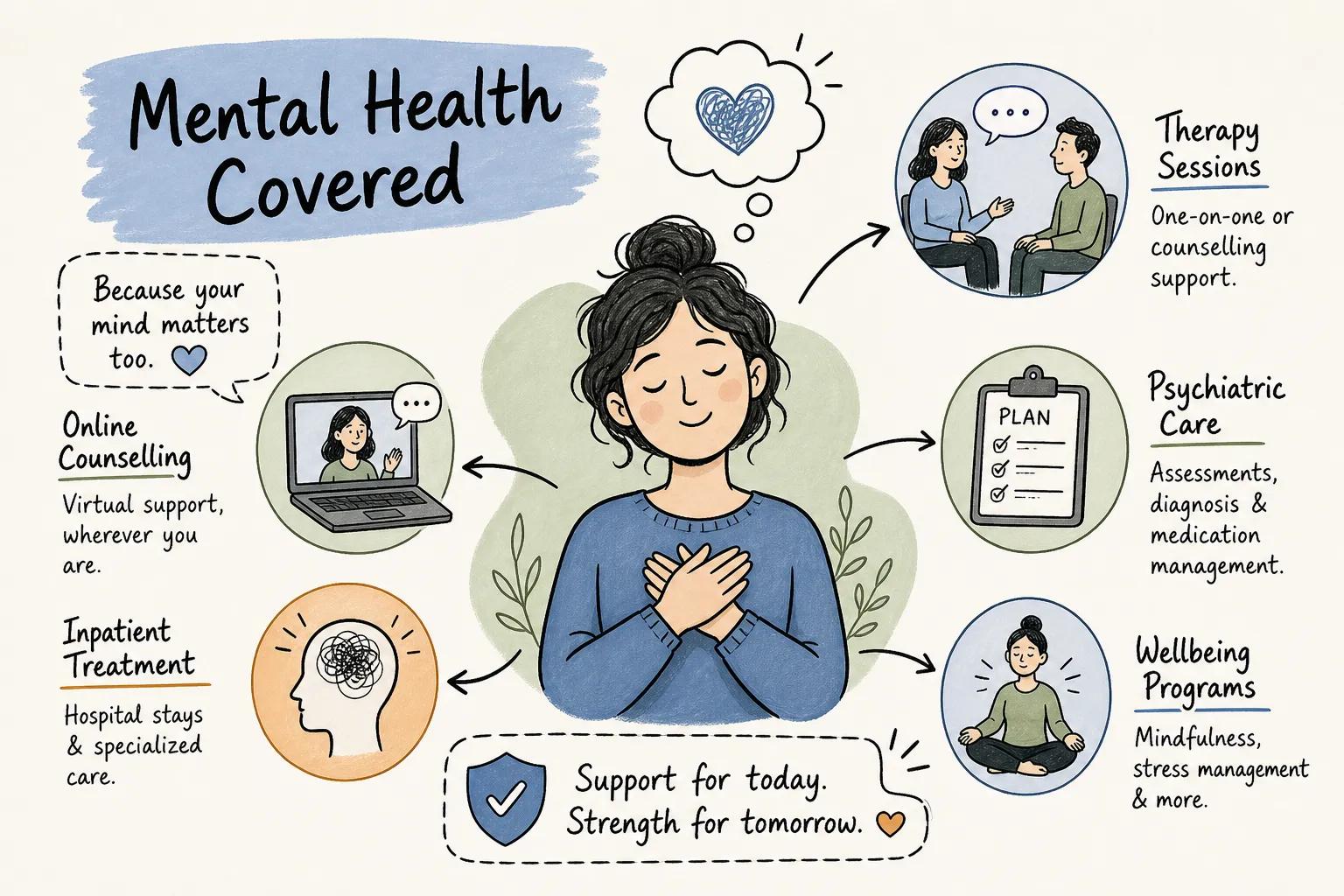
What private medical insurance typically does and does not cover for mental health, and why claims are so often declined.
How to tell ordinary teenage moodiness from something that needs support, and what UK parents can usefully do about it.
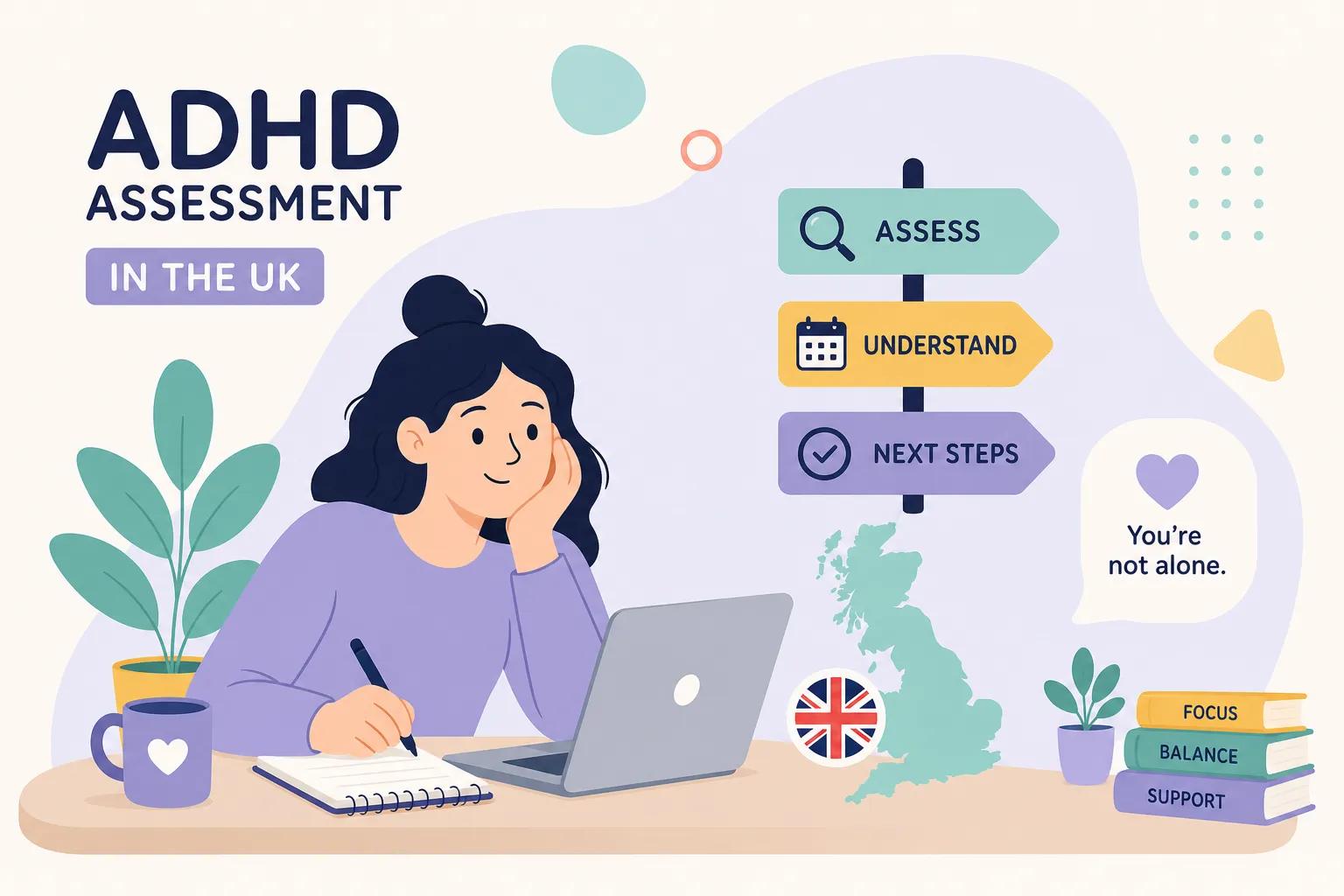
A full walk-through of getting an adult ADHD assessment in the UK: the NHS route, Right to Choose, private options, and what a thorough assessment includes.
How to tell a qualified online therapist from a convincing website: which registrations matter, what to ask, and the warning signs.
What the evidence says about couples therapy and communication, why "just talk more" rarely fixes anything, and what does shift the pattern.
Trauma counselling: the therapies that really work
CBT, ACT, EMDR, CFT and the rest explained plainly, with what the evidence says works best for anxiety and for depression.
How Compassion-Focused Therapy works on the inner critic behind low self-esteem and depression, and why self-criticism is so hard to think your way out of.
A plain-English rundown of Exposure and Response Prevention: what it involves, why it works for OCD, and what a course of it looks like.
Why anxiety so often shows up in the body first, as a tight chest, a knotted stomach or restlessness, and what helps settle it.
Why ADHD so often brings exhaustion rather than endless energy, and where caffeine genuinely helps versus where it deepens the crash.
Why autism is so often missed in women and girls, the masking that hides it, and why a later assessment can still change a great deal.
What Netflix's Adolescence gets right about the pressures girls face in UK schools, and what parents and teachers can usefully do about it.
When a private ADHD assessment is the sensible choice, what it offers over waiting, and what to check before you book.
An EMDR programme that funds free trauma therapy for people who could not otherwise afford it, and how the model works.
A side-by-side comparison of the NHS and private routes to an adult ADHD assessment: waiting times, costs, and how to judge which fits your situation.
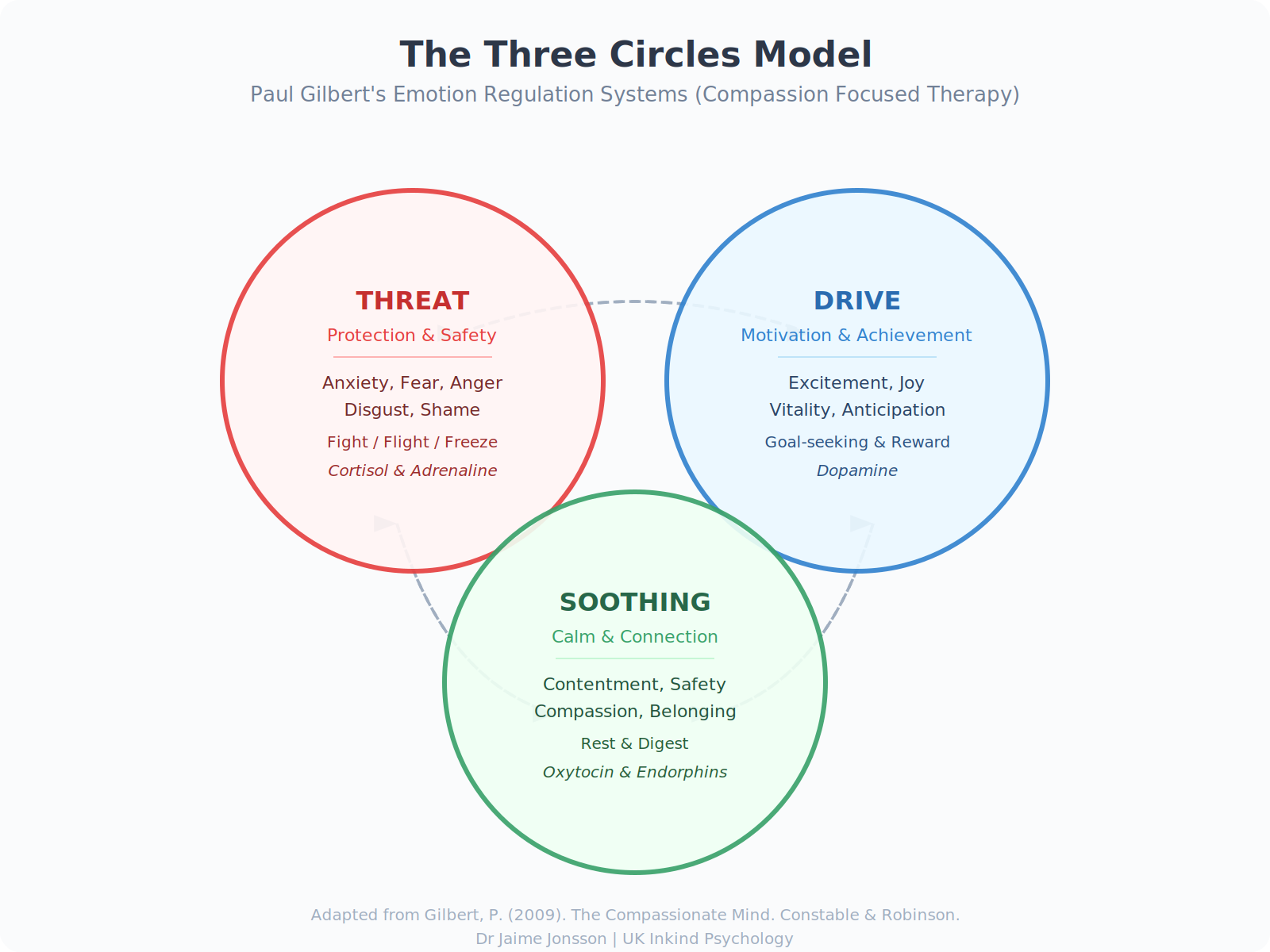
Why fighting anxiety tends to feed it, explained through the three emotion systems, and what to do instead of arguing with your own mind.
UK Inkind offers national psychology services. Here is how to get started with therapy and assessments.
An introduction to Internal Family Systems therapy: the idea that the mind is made of parts, and how that changes what therapy looks like.
Why the flawless morning routines you see online rarely survive contact with real life, and what genuinely helps you start the day steadier.
What depersonalisation is, why feeling detached from yourself can be so frightening, and why it is far more common than most people realise.
The difference between distracting yourself and genuinely engaging your mind, and why that distinction matters if you live with OCD.
The Spiral Technique: a short EMDR visualisation for changing how a distressing sensation feels in the body.
Dr Francine Shapiro's Light Stream technique, a visualisation used in EMDR to ease physical discomfort held in the body.
How to build a safe or calm place in your mind, a core EMDR technique for settling yourself during difficult moments.
A step-by-step grounding exercise using the five senses, used in EMDR to steady you when distress rises.
How to set New Year intentions that survive February, built on what actually supports mental health rather than willpower alone.
Daily habits that support mental health through the year, and how to set intentions that last beyond the first few weeks of January.
Why more people in the UK are choosing to see a psychologist online, and how it compares with meeting in person.
Why midlife can feel like a high-wire act for women balancing career, family and ageing parents, and how therapy helps steady it.
Why giving matters more at Christmas than at any other point in the year, and how it supports the giver's wellbeing too.
How chronic stress affects the body and mind, the signs it has stopped being useful, and what helps bring it back down.

































 WhatsAppChat on WhatsApp